WHAT'S NEW?
Loading...
Seri Pelajaran Kaabah - Pelajaran 1
Seri Pelajaran Kaabah - Pelajaran 2 !
Bejana Pembasuhan
Seri Pelajaran Kaabah - Pelajaran 3
Seri Pelajaran Kaabah - Pelajaran 4
Seri Pelajaran Kaabah - Pelajaran 5
Seri Pelajaran Kaabah - Pelajaran 6
Seri Pelajaran Kaabah - Pelajaran 7
No Turning Back
 Lesson 27
When
a skydiver steps to the edge of the aircraft door and leaps away from
the plane, she knows there is no turning back. She’s gone too far, and
if she should forget to strap on her parachute, nothing can save her and
she will certainly plummet to a frightening death. What a tragedy! But
there is something even worse that can happen to a person. Indeed, it is
far worse to come to the point of no return in your relationship with
God. Yet millions are approaching this point and have no idea! Is it
possible that you’re one of them? What is the awful sin that could lead
to such a fate? Why can’t God forgive it? For a clear and penetrating
answer—that is also full of hope—take just a few minutes with this
fascinating Study Guide.

1. What is the sin that God cannot forgive?
“Every sin and blasphemy will be forgiven men, but the blasphemy against the Spirit will not be forgiven men” (Matthew 12:31).
Answer: The sin God cannot forgive is “blasphemy against the Spirit.” But what is “blasphemy against the Spirit”? People have many differing beliefs about this sin. Some believe it is murder; some, cursing the Holy Spirit; some, committing suicide; some, killing an unborn child; some, a denial of Christ; some, a heinous, wicked act; and others, worshiping a false god. The next question will shed some helpful light on this crucial matter.

Murder, though terrible, is not the sin God cannot forgive.
2. What does the Bible say about sin and blasphemy?
“Every sin and blasphemy will be forgiven men” (Matthew 12:31).
Answer: The
Bible says that all kinds of sin and blasphemy will be forgiven. So
none of the sins listed in question 1 is the sin that God cannot
forgive. No single act of any kind is the unpardonable sin. It may sound
contradictory, but both of the following statements are true:
A. Any and every kind of sin and blasphemy will be forgiven.
B. The blasphemy or sin against the Holy Spirit will not be forgiven.
Jesus Made Both Statements
Jesus
made both statements in Matthew 12:31, so there is no error here. To
harmonize the statements, we must discover the work of the Holy Spirit.
3. What is the work of the Holy Spirit?
“He [the Holy Spirit] will convict the world of sin, and of righteousness, and of judgment. ... He will guide you into all truth” (John 16:8, 13).
Answer:
The work of the Holy Spirit is to convict us of sin and to guide us
into all truth. The Holy Spirit is God’s agency for conversion. Without
the Holy Spirit, no one feels sorrow for sin, nor is anyone ever
converted.

4. When the Holy Spirit convicts us of sin, what must we do to be forgiven?
“If we confess our sins, He is faithful and just to forgive us our sins and to cleanse us from all unrighteousness” (1 John 1:9).
Answer: When convicted of sin by the Holy Spirit, we must confess our sins in order to be forgiven. When we confess them, God not only forgives but He also cleanses us from all unrighteousness. God is waiting and ready to forgive you for any and every sin you could commit (Psalm 86:5), but only if you confess and forsake it.
5. What happens if we do not confess our sins when convicted by the Holy Spirit?
“He who covers his sins will not prosper, but whoever confesses and forsakes them will have mercy” (Proverbs 28:13).
Answer:
If we do not confess our sins, Jesus cannot forgive our sins. Thus, any
sin that we do not confess is unpardonable until we confess it, because
forgiveness always follows confession. It never precedes it.
Terrible Danger of Resisting the Holy Spirit
Resisting
the Holy Spirit is terribly dangerous because it so easily leads to
total rejection of the Holy Spirit, which is the sin God can never
forgive. It is passing the point of no return. Since the Holy Spirit is
the only agency given to bring us to conviction, if we permanently
reject Him, our case is thereafter hopeless. This subject is so
important that God illustrates and explains it many different ways in
Scripture. Watch for these different explanations as you continue
exploring this Study Guide.
6. When the Holy Spirit convicts us of sin or leads us to new truth, when should we act?
Answer: The Bible says:
A. “I made haste, and did not delay to keep Your commandments” (Psalm 119:60).
B. “Behold, now is the accepted time; behold, now is the day of salvation” (2 Corinthians 6:2).
C. “Why are you waiting? Arise and be baptized, and wash away your sins, calling on the name of the Lord” (Acts 22:16).
The
Bible repeatedly states that when we are convicted of sin, we must
confess it at once. And when we learn new truth, we must accept it
without delay.
7. What solemn warning does God give about the pleading of His Holy Spirit?
“My Spirit shall not strive with man forever” (Genesis 6:3).
Answer: God solemnly warns that the Holy Spirit does not indefinitely continue pleading with a person to turn from sin and obey God.

8. At what point does the Holy Spirit stop pleading with a person?
“Therefore I speak to them in parables, because ... hearing they do not hear” (Matthew 13:13).
Answer: The
Holy Spirit stops talking to a person when that individual becomes deaf
to His voice. The Bible describes it as hearing but not hearing.
There is no point in setting the alarm clock in a deaf person’s room. He
won’t hear it. Likewise, a person can condition himself to not hear an
alarm clock ring by repeatedly shutting it off and not getting up. The
day finally comes when the alarm goes off and he does not hear it.
Don't Shut Off the Holy Spirit
So
it is with the Holy Spirit. If we keep shutting Him off, one day He
will speak to us and we will not hear Him. When that day comes, the
Spirit sadly turns away from us because we have become deaf to His
pleadings. We have passed the point of no return.

9. God, through His Holy Spirit, brings light (John 1:9) and conviction (John 16:8) to every person. What must we do when we receive this light from the Holy Spirit?
“The path of the just is like the
shining sun, that shines ever brighter unto the perfect day. The way of
the wicked is like darkness” (Proverbs 4:18, 19). “Walk while you have
the light, lest darkness overtake you” (John 12:35).
Answer: The Bible rule is that when the Holy Spirit brings us new light or conviction of sin, we must act at once—obey without delay. If we obey and walk in the light as we receive it, God will continue giving us light. If we refuse, even the light that we have will go out, and we will be left in darkness. The darkness that comes from a persistent and final refusal to follow light is the result of rejecting the Spirit, and it leaves us without hope.

10. Can any sin become the sin against the Holy Spirit?
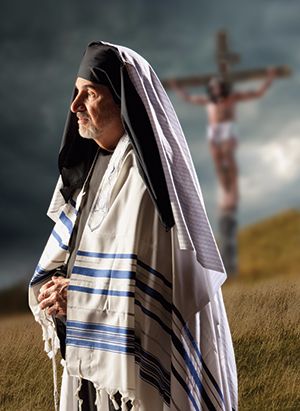
A. Judas’ unpardonable sin was covetousness (John 12:6). Why? Was it because God could not forgive it? No! It became unpardonable only because Judas refused to listen to the Holy Spirit and confess and forsake his sin of covetousness. Eventually he became deaf to the Spirit’s voice.
B. Lucifer’s unpardonable sins were pride and self-exaltation (Isaiah 14:12–14). While God can forgive these sins, Lucifer refused to listen until he could no longer hear the Spirit’s voice.
C. The Pharisees’ unpardonable sin was their refusal to accept Jesus as the Messiah (Mark 3:22–30). They were convinced repeatedly with heartfelt conviction that Jesus was the Messiah—the Son of the living God. But they hardened their hearts and stubbornly refused to accept Him as Savior and Lord. Finally they grew deaf to the Spirit’s voice. Then one day, after a wonderful miracle by Jesus, the Pharisees told the multitude that Jesus received His power from the devil. Christ at once told them that attributing His miracle-working power to the devil indicated they had passed the point of no return and had blasphemed the Holy Spirit. God could have, and joyfully would have, forgiven them. But they refused until they were stone deaf to the Holy Spirit and could no longer be reached.
I Cannot Choose the Consequences
When the Spirit makes His appeal, we can choose to respond or refuse, but we cannot choose the consequences. They are fixed. If we consistently respond, we will become like Jesus. The Holy Spirit will seal, or mark, us in the forehead as a child of God (Revelation 7:2, 3), and thus assure us a place in God’s heavenly kingdom. However, if we persistently refuse to respond, we will grieve away the Holy Spirit—and He will leave us forever, sealing our doom.

11. After King David had committed a terrible double sin of adultery and murder, what anguished prayer did he pray?
“Do not take Your Holy Spirit from me” (Psalm 51:11).
Answer: He pleaded with God not to take away the Holy Spirit from him. Why? Because David knew if the Holy Spirit left him, he was doomed from that moment. He knew that only the Holy Spirit could lead him to repentance and restoration, and he trembled at the thought of becoming deaf to His voice. The Bible tells us in another place that God finally left Ephraim alone because he was joined to his idols (Hosea 4:17) and would not listen to the Spirit. He had become spiritually deaf. The most tragic thing that can happen to a person is for God to have to turn away and leave him alone. Don’t let it happen to you!

12. What serious command did the apostle Paul give to the church in Thessalonica?
“Do not quench the Spirit” (1 Thessalonians 5:19).
Answer: The
Holy Spirit’s pleading is like a fire that burns in a person’s mind and
heart. Sin has the same effect on the Holy Spirit as water has upon
fire. As we ignore the Holy Spirit and continue in sin, we pour water on
the fire of the Holy Spirit. Paul’s weighty words to the Thessalonians
also apply to us today. Don’t quench the fire of the Holy Spirit by
repeatedly refusing to heed the Spirit’s voice. If the fire goes out, we
have passed the point of no return!
Any Sin Can Quench the Fire
Any
unconfessed or unforsaken sin can ultimately snuff out the fire of the
Holy Spirit. It could be refusal to keep God’s seventh-day Sabbath. It
could be use of alcohol. It could be failure to forgive one who has
betrayed or otherwise injured you. It could be immorality. It could be
keeping God’s tithe. Refusal to obey the Holy Spirit’s voice in any area
pours water on the fire of the Holy Spirit. Don’t put out the fire. No
greater tragedy could take place.
13. What other shocking statement did Paul make to the Thessalonian believers?
“With all unrighteous deception among those who perish, because they did not receive the love of the truth, that they might be saved. And for this reason God will send them strong delusion, that they should believe the lie, that they all may be condemned who did not believe the truth but had pleasure in unrighteousness” (2 Thessalonians 2:10–12).
Answer: What powerful, shocking words! God says that those who refuse to receive the truth and conviction brought by the Holy Spirit will—after the Spirit departs from them—receive a strong delusion to believe that error is truth. A sobering thought.

14. What experience will those who have been sent these strong delusions face in the judgment?
“Many will say to Me in that day, ‘Lord, Lord, have we not prophesied in Your name, cast out demons in Your name, and done many wonders in Your name?’ And then I will declare to them, ‘I never knew you; depart from Me, you who practice lawlessness!’ ” (Matthew 7:22, 23).
Answer: Those who are crying “Lord, Lord” will be shocked that they are shut out. They will be positive that they were saved. Jesus will then doubtless remind them of that crucial time in their lives when the Holy Spirit brought new truth and conviction. It was crystal clear it was the truth. It kept them awake at night as they wrestled over a decision. How their hearts burned within them! Finally, they said, “No!” They refused to listen further to the Holy Spirit. Then came a strong delusion that caused them to feel saved when they were lost. Is there any greater tragedy?

15. What special words of warning does Jesus give to help us avoid believing we are saved when we are actually lost?
“Not everyone who says to Me, ‘Lord, Lord,’ shall enter the kingdom of heaven, but he who does the will of My Father in heaven” (Matthew 7:21).
Answer: Jesus
solemnly warned that not all who have the feeling of assurance will
enter His kingdom, but rather, only those who do His will. All of us
desire assurance of salvation—and God wants to save us! However, there
is a false assurance sweeping Christendom today that promises people
salvation while they continue living in sin and manifest no change in
their lives whatsoever.
Jesus Clears the Air
Jesus said
that true assurance is for those who do His Father’s will. When we
accept Jesus as Lord and Ruler of our lives, our lifestyles will change.
We will become a completely new creature (2 Corinthians 5:17). We will
gladly keep His commandments (John 14:15), do His will, and joyously
follow where He leads (1 Peter 2:21). His fantastic resurrection power
(Philippians 3:10) transforms us into His image (2 Corinthians 3:18).
His glorious peace floods our lives (John 14:27). With Jesus dwelling in
us through His Spirit (Ephesians 3:16, 17), we “can do all things”
(Philippians 4:13) and “nothing will be impossible” (Matthew 17:20).
Fabulous True Assurance Versus Counterfeit Assurance
As
we follow where the Savior leads, He promises that no one can take us
out of His hand (John 10:28) and that a crown of life awaits us
(Revelation 2:10). What amazing, glorious, genuine security Jesus gives
His followers! Assurance promised under any other conditions is
counterfeit. It will lead people to heaven’s judgment bar, feeling
certain they are saved when they are, in fact, lost (Proverbs 16:25).

16. What is God’s blessed promise to His faithful followers who crown Him Lord of their lives?
“He who has begun a good work in you will complete it until the day of Jesus Christ. ... For it is God who works in you both to will and to do for His good pleasure” (Philippians 1:6; 2:13).
Answer: Praise God! Those who make Jesus the Lord and Ruler of their lives are promised the miracles of Jesus that will see them safely through to His eternal kingdom. Nothing could be better than that!
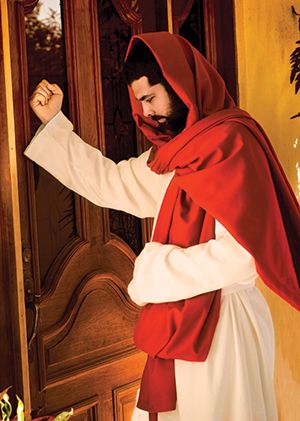
17. What additional glorious promise does Jesus make to us all?
“Behold, I stand at the door and knock. If anyone hears My voice and opens the door, I will come in to him and dine with him, and he with Me” (Revelation 3:20).
Answer: Jesus promises to
enter our lives when we open the door to Him. It is Jesus who knocks on
the door of your heart through His Holy Spirit. He—King of kings and
Savior of the world—comes to you for regular, loving visits and
friendly, caring guidance and counsel. What folly that we should ever be
too busy or too disinterested to form a warm, loving, lasting
friendship with Jesus. Jesus’ close friends will be in no danger of
being rejected on the judgment day. Jesus will personally welcome them
into His kingdom (Matthew 25:34).

18. Will you decide now to always open the door as Jesus knocks at your heart and be willing to follow where He leads you?
A Parting Word
This
is the final Study Guide in our series of 27. Our loving desire is that
you have been led into the presence of Jesus and have experienced a
fantastic new relationship with Him. We hope that you will walk closer
to the Master every day and will soon join that joyous group who will be
translated into His kingdom at His appearing. If we do not meet on this
earth, let us agree to meet in the clouds on that great day.
Please call or write if we can further assist you in your journey heavenward.
Answer:
Thought Questions
1. The Bible says that God hardened Pharaoh’s heart (Exodus 9:12). That doesn’t seem fair. What does it mean?
The Holy Spirit pleads with all people, just as the sun shines upon everyone and everything (John 1:9). The same sun that hardens clay also melts wax. The Holy Spirit has a different effect upon our hearts depending on how we relate to His pleadings. If we respond, our hearts will be softened and we will be utterly changed (1 Samuel 10:6). If we resist, our hearts will be hardened (Zechariah 7:12).
Pharaoh's Response
Pharaoh actually hardened his own heart by resisting the Holy Spirit (Exodus 8:15, 32; 9:34). But the Bible also speaks of God hardening his heart because God’s Holy Spirit kept pleading with Pharaoh. Since Pharaoh kept resisting, his heart hardened as sun hardens clay. Had Pharaoh listened, his heart would have softened as the sun softens wax.
Judas and Peter
Christ’s disciples Judas and Peter demonstrated this same principle. Both had sinned grievously. One betrayed and the other denied Jesus. Which is worse? Who can tell? The same Holy Spirit pleaded with both. Judas steeled himself, and his heart became like stone. Peter, on the other hand, was receptive to the Spirit and his heart melted. He was truly repentant and later became one of the great preachers in the early church. Read Zechariah 7:12, 13, for God’s sobering warning about hardening our hearts against hearing and obeying His Spirit’s pleadings.
2. Is it safe to ask for “signs” from the Lord before choosing obedience?
In the New Testament, Jesus spoke against asking for signs, saying, “An evil and adulterous generation seeks after a sign” (Matthew 12:39). He was teaching truth and supporting it from the Old Testament, which was the Scriptures then available. They understood all too well what He was saying. They also saw His miracles, but they still rejected Him. Later He said, “If they do not hear Moses and the prophets, neither will they be persuaded though one rise from the dead” (Luke 16:31). The Bible tells us to test everything by Scripture (Isaiah 8:19, 20). If we commit to do Jesus’ will and follow where He leads, He promises that He will help us discern truth from error (John 7:17).
3. Is there ever a time when prayer is not helpful?
Yes. If a person knowingly disobeys God (Psalm 66:18) and yet asks God to bless him though he does not plan to change, that person’s prayer not only is worthless, but God says it is an abomination (Proverbs 28:9).
4. I’m concerned that I may have rejected the Holy Spirit and cannot be forgiven. Can you help me?
You have not rejected the Holy Spirit. You can know that because you feel concerned or convicted. It
is the Holy Spirit alone who brings you concern and conviction (John 16:8–13). If the Holy Spirit had left you, there would be no concern or conviction in your heart. Rejoice and praise God! Give Him your life now! And prayerfully follow and obey Him in the days ahead. He will give you victory (1 Corinthians 15:57), uphold you (Philippians 2:13), and keep you until His return (Philippians 1:6).
5. In the parable of the sower (Luke 8:5–15), what is meant by the seed that fell by the wayside and was eaten by birds?
The Bible says, “The seed is the word of God. Those by the wayside are the ones who hear; then the devil comes and takes away the word out of their hearts, lest they should believe and be saved” (Luke 8:11, 12). Jesus was pointing out that when we understand what the Holy Spirit is asking us to do regarding new light from the Scripture, we must act on it. Otherwise, the devil has the opportunity to remove that truth from our minds.
6. How can the Lord say “I never knew you” to the people He was addressing in Matthew 7:21–23? I thought God knew everybody and everything!
God is referring here to knowing someone as a personal friend. We get to know Him as a friend when we communicate with Him daily through prayer and Bible study, follow Him, and freely share with Him our joys and sorrows as with an earthly friend. Jesus said, “You are My friends if you do whatever I command you” (John 15:14). The people being addressed in Matthew chapter 7 will have rejected His Holy Spirit. They will have embraced “salvation in sin” or “salvation by works”—neither of which needs Jesus. They are a self-made people who do not take time to become acquainted with the Savior. Hence, He explained that He will have not been able to really get acquainted with them, or know them, as His personal friends.
7. Can you explain Ephesians 4:30?
The verse says, “Do not grieve the Holy Spirit of God, by whom you were sealed for the day of redemption.” Paul here is implying that the Holy Spirit is a personal being, because only persons can be grieved. Even more important, he is affirming that the Holy Spirit of Christ can be grieved away by my rejection of His loving appeals. As a courtship can be ended forever by the repeated refusal of one party to the other’s wooing, so our relationship with the Holy Spirit can end permanently by our persistent refusal to respond to His loving appeals.
Quiz Questions
1. Any sin may become the sin that God cannot forgive. (1)
_____ Yes._____ No.
2. The sin against the Holy Ghost is (1)
_____ Murder._____ Cursing God.
_____ Rejecting the Holy Spirit.
3. The Holy Spirit must sometimes sadly withdraw from a sinner because (1)
_____ The Holy Spirit has other things to do._____ The Holy Spirit has righteous indignation over the sinner's bad attitude.
_____ God tells Him to do something else.
_____ The sinner has become deaf to His entreaties.
4. The Holy Spirit may be "quenched" by continuing in sin when you know better. (1)
_____ Yes._____ No.
5. Any sin or blasphemy will be forgiven if I (1)
_____ Pray enough about it._____ Sincerely confess it to Jesus.
_____ Fast for several days.
_____ Witness faithfully.
6. Without the Holy Spirit, no one ever feels sorrow for sin, nor is anyone ever converted. (1)
_____ True._____ False.
7. Assurance of salvation can sometimes be counterfeit. Some people who are certain they are saved are actually lost. (1)
_____ Yes._____ No.
8. Check the items that are the work of the Holy Spirit according to John 16:8, 13. (2)
_____ Teach me how to sing._____ Give me the gift of prophecy.
_____ Keep me happy.
_____ Convict me of sin.
_____ Lead me to truth.
9. When the Holy Spirit convicts me of a new truth or points out a sin in my life, I should (1)
_____ Ask the pastor about it._____ Go see a psychic.
_____ Ask God for a sign.
_____ Follow the Spirit's guidance without hesitation.
_____ Flip a coin.
10. Why did David plead with God not to remove the Holy Spirit from him? (1)
_____ Because the Holy Spirit helped him play his harp._____ Because he was afraid the Holy Spirit might take his life.
_____ Because he knew he would be a lost man if the Spirit departed from him.
11. According to Matthew 7:21-23, for a person to have worked miracles, cast out devils, prophesied in Jesus' name, and claimed Him as Lord will not be enough in the judgment day. What else did Jesus say was absolutely essential? (1)
_____ Doing a lot of witnessing._____ Praying often in public.
_____ Fasting often.
_____ Attending church regularly.
_____ Doing the will of the heavenly Father.
12. According to 2 Thessalonians 2:10-12, what will happen to those who refuse to receive the truth? (1)
_____ They will be saved anyway._____ God will ask them to reconsider.
_____ God will send them a strong delusion, and they will believe that a lie is the truth.
13. When the Lord will say,“I never knew you” at the judgment, He will mean (1)
_____ He does not know who the person is._____ The face is familiar, but He has forgotten the name.
_____ The person never took the time to get acquainted with Him as a personal friend.
14. Jesus, in the New Testament, taught against asking for signs. (1)
_____ Yes._____ No.
15. Will you decide now to always listen to and heed Jesus as He speaks to you through His Holy Spirit?
_____ Yes._____ No.
A Love that Transforms
 Lesson 26
Being
in love changes everything! When a young lady was reading a large book
for her university’s English literature course, she found it very boring
and could barely stay focused while reading it. But then she met a
handsome young professor on campus, and they quickly fell in love. Soon
after, she realized her beloved was the author of the book she had
struggled with. That night she stayed up and devoured the entire book,
exclaiming, “This is the best book I have ever read!” What changed her
perspective? Love did. Likewise, many today find Scripture boring,
unappealing, and even oppressive. But that all changes when you fall in
love with its author. See how in this heart-warming Study Guide!
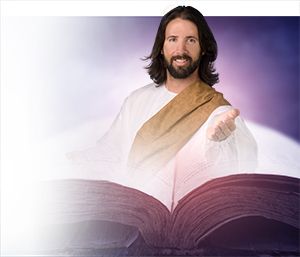
Jesus is the author of Scripture.
1. Who is the author of Scripture?
“The prophets have inquired and searched carefully ... searching what, or what manner of time, the Spirit of Christ who was in them was indicating when He testified beforehand the sufferings of Christ and the glories that would follow” (1 Peter 1:10, 11).
Answer: Virtually every book of the Bible refers to Jesus Christ—even the Old Testament books. Jesus created the world (John 1:1–3, 14; Colossians 1:13–17), wrote the Ten Commandments (Nehemiah 9:6, 13), was the God of the Israelites (1 Corinthians 10:1–4), and guided the writings of the prophets (1 Peter 1:10, 11). So, Jesus Christ is the author of Scripture.

Jesus loves the people of earth with an everlasting love.
2. What is Jesus’ attitude toward the people of earth?
“God so loved the world that He gave His only begotten Son, that whoever believes in Him should not perish but have everlasting life” (John 3:16).
Answer: Jesus loves us all with an unfailing love that passes understanding.
Scripture
taken from the New King James Version®. Copyright © 1982 by Thomas
Nelson, Inc. Used by permission. All rights reserved.
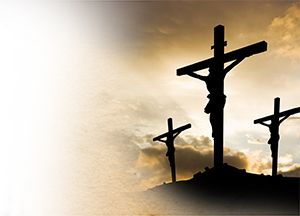
Jesus died for us all, even though none of us deserved it.
3. Why do we love Jesus?
“While we were still sinners, Christ died for us” (Romans 5:8).
“We love Him because He first loved us” (1 John 4:19).
Answer: We love Him because He loved us enough to die for us—while we were yet His enemies.

4. In what respects are a successful marriage and the Christian life similar?
“Whatever we ask we receive from Him, because we keep His commandments and do those things that are pleasing in His sight” (1 John 3:22).
Answer: In a good marriage certain things are imperative, such as faithfulness to one’s spouse. Other things may not seem major, but if they please a spouse they are necessary. If they displease, they should be discontinued. So it is with the Christian life. The commands of Jesus are imperative. But in Scripture Jesus has also outlined for us principles of conduct that please Him. As in a good marriage, Christians will find it a joy to do the things that make Jesus, the One we love, happy. We will also avoid things that displease Him.

5. What does Jesus say are the results of doing the things that please Him?
“If you keep My commandments, you will abide in My love. ... These things I have spoken to you, that My joy may remain in you, and that your joy may be full” (John 15:10, 11).
Answer: The devil claims that to follow Christian principles is drab, dull, demeaning, and legalistic. But Jesus says it brings fullness of joy—and a more abundant life (John 10:10). Believing the devil’s lies brings heartache and deprives people of life that is “really living.”

Bible principles for Christian living protect us from Satan’s danger zones.
6. Why does Jesus give us specific principles for Christian living?
Answer: Because they:
A.
Are “for our good always” (Deuteronomy 6:24). As good parents teach
good principles to their children, so Jesus teaches good principles to
His children.
B. Set for us a safeguard from sin (Psalm 119:11). Jesus’ principles protect us from entering the danger zones of Satan and sin.
C. Show us how to follow in Christ’s footsteps (1 Peter 2:21).
D. Bring us true joy (John 13:17).
E. Give us an opportunity to express our love for Him (John 15:10).
F. Help us be a good example to others (1 Corinthians 10:31–33; Matthew 5:16).

7. According to Jesus, how should Christians relate to the evil of the world and to worldliness?
Answer: His commands and counsels are clear and specific:
A.
Don’t love the world or the things of the world. This includes (1) the
lust of the flesh, (2) the lust of the eyes, and (3) the pride of life
(1 John 2:16). All sin falls into one or more of these three categories.
Satan uses these avenues to lure us into the love of the world. When we
begin to love the world, we become an enemy of God (1 John 2:15, 16;
James 4:4).
B. We must keep ourselves unspotted from the world (James 1:27).

A Christian must firmly resist the things of the world, or he will be led astray by Satan.
8. What urgent warning does God give us regarding the world?
Answer: Jesus warns, “Do not be conformed to this world” (Romans 12:2). The devil is not neutral. He presses every Christian constantly. Through Jesus (Philippians 4:13), we must firmly resist the devil’s suggestions, and he will flee from us (James 4:7). The minute we permit the “squeezing” of any other factor to influence our conduct, we, perhaps imperceptibly, begin slipping into apostasy. Christian behavior is not to be decided by feelings and the conduct of the majority, but by Jesus’ words.

We must carefully guard our thoughts, because thoughts become actions.
9. Why do we need to guard our thoughts?
"As he thinks in his heart, so is he” (Proverbs 23:7).
Answer: We must guard our thoughts because thoughts dictate our behavior. God wants to help us bring “every thought into captivity to the obedience of Christ” (2 Corinthians 10:5). But Satan desperately wants to bring “the world” into our thoughts. He can do this only through our five senses—especially sight and hearing. He presses his sights and sounds upon us and, unless we consistently refuse what he offers, he will direct us into the broad way that leads to destruction. The Bible is clear: We become like the things we repeatedly see and hear (2 Corinthians 3:18).

Christians must avoid any music that erodes the desire for godly living.
10. What are some principles for Christian living?
“Whatever things are true, whatever things are noble, whatever things are just, whatever things are pure, whatever things are lovely, whatever things are of good report, if there is any virtue and if there is anything praiseworthy—meditate on these things” (Philippians 4:8).

A. Dishonesty of every kind—cheating, lying, stealing, being unfair, intent to deceive, slander, and betrayal.
B. Impurity of every kind—fornication, adultery, incest, homosexuality, pornography, profanity, filthy conversation, off-color jokes, degenerate songs, music, dance, and
most of what is shown on television and in movie theaters.
C. Places where we would never invite Jesus to accompany us, such as nightclubs, taverns, casinos, racetracks, etc.
Let’s take a few minutes to understand the dangers of popular music and dancing, television, and the theater.
Music and Song
Many types of secular music (rap, country, pop, rock, heavy metal, and dance music) have been largely captured by Satan. The lyrics often glorify vice and destroy a desire for spiritual things. Researchers have discovered some interesting facts regarding the power of music—(1) It enters the brain through the emotions, thus bypassing reasoning powers; (2) It affects every function of the body; (3) It alters pulse, breath rates, and reflexes without the listeners realizing it; (4) Syncopated rhythms alter moods and create a type of hypnosis in the listener. Even without lyrics, music has power to debase a person’s feelings, desires, and thoughts. The most popular rock stars openly admit this. Rolling Stones leader Mick Jagger said: “You can feel the adrenaline going through your body. It’s sort of sexual.”1 John Oates of Hall and Oates fame stated that “Rock ‘n’ Roll is 99% sex.”2 Would such music please Jesus? Converted pagans from overseas tell us that our modern secular music is the same kind they used in witchcraft and devil worship! Ask yourself: “If Jesus came to visit me, what music would I be comfortable asking Him to listen to with me?” Any music you aren’t sure about should be abandoned. (For an in-depth analysis of secular music, purchase Drums, Rock, and Worship by Karl Tsatalbasidis from Amazing Facts.) When we fall in love with Jesus, He changes our musical desires. “He has put a new song in my mouth—praise to our God; many will see it and fear, and will trust in the Lord” (Psalm 40:3). God has provided for His people plenty of good music that inspires, refreshes, elevates, and strengthens the Christian experience. Those who accept the devil’s degrading music as a substitute are missing one of life’s greatest blessings.
Worldly Dancing
Worldly, sexually suggestive dancing inevitably leads us away from Jesus and true spirituality. When the Israelites danced around the golden calf, it was idol worship because they had forgotten God (Exodus 32:17–24). When the daughter of Herodias danced before a drunken King Herod, John the Baptist was beheaded (Matthew 14:6–10).
TV, Videos, and the Theater
Do the things you watch on TV, in theaters, and on the Internet appeal to your lower or higher nature? Do they lead you to a greater love for Jesus—or for the world? Do they glorify Jesus—or satanic vices? Even non-Christians speak out against many TV and film productions. Satan has captured the eyes and ears of billions and, as a result, is rapidly turning the world into a cesspool of immorality, crime, and hopelessness. One study said that without TV “there would be 10,000 fewer murders per year in the United States, 70,000 fewer rapes, and 700,000 fewer assaults.”3 Jesus, who loves you, asks you to take your eyes off Satan’s thought-controllers and put them on Him. “Look to Me, and be saved, all you ends of the earth!” (Isaiah 45:22).
1 Newsweek, "Mick Jagger and the Future of Rock", Jan. 4, 1971, p. 47.
2Circus magazine, Jan. 31, 1976, p. 39.
3Newsweek, "Violence, Reel to Reel", Dec. 11, 1995, p. 47.

A safe guideline for viewing anything is to ask, “Would I feel comfortable inviting Jesus to watch the program with me?”
11. What list does Jesus give us that we could use as a guide for watching television?
“The works of the flesh are evident, which are: adultery, fornication, uncleanness, lewdness, idolatry, sorcery, hatred, contentions, jealousies, outbursts of wrath, selfish ambitions, dissensions, heresies, envy, murders, drunkenness, revelries, and the like; of which I tell you beforehand ... those who practice such things will not inherit the kingdom of God” (Galatians 5:19–21).
Answer: Scripture is too clear to misunderstand. If a family should ban all TV programs that exhibit or condone any of the above sins, there would be very little to watch. If Jesus came to visit you, what TV shows would you feel comfortable asking Him to view with you? All other shows are probably unfit for Christian viewing.
12. Many today feel capable of making spiritual decisions without input from anyone, including Jesus. What does Jesus say about such people?
Answer: Listen to Jesus’ unequivocal statements:
“You shall not at all do as we are doing here today—every man doing whatever is right in his own eyes” (Deuteronomy 12:8).
“There is a way that seems right to a man, but its end is the way of death” (Proverbs 16:25).
“The way of a fool is right in his own eyes, but he who heeds counsel is wise” (Proverbs 12:15).
“He who trusts in his own heart [mind] is a fool” (Proverbs 28:26).

13. What solemn warnings does Jesus give about the example and influence of our lives?
“Whoever
causes one of these little ones who believe in Me to sin, it would be
better for him if a millstone were hung around his neck, and he were
drowned in the depth of the sea” (Matthew 18:6).
Let no man “put a stumbling block or a cause to fall in our brother’s way” (Romans 14:13).
“None of us lives to himself” (Romans 14:7).
Answer: We all expect leaders, people of influence, and celebrities to set a good example and use their influence wisely. But in today’s world, we are often disillusioned by the repugnant, irresponsible actions of these prominent individuals. Likewise, Jesus solemnly warns that Christians who disregard their own influence and example are in danger of leading people away from His kingdom!

God asks His people to put ornaments and jewelry aside.
14. What are Jesus’ principles of conduct regarding clothing and jewelry?

(1 John 2:16). Immodest dress involves all three and is off-limits for a Christian.
B. Lay ornaments and jewelry aside. Pride of life” is the issue here. Jesus’ followers should look different. Their appearance sends light to others (Matthew 5:16). Jewelry draws attention to and exalts self. In the Bible, it is often a symbol of backsliding and apostasy. For instance, when Jacob’s family rededicated their lives to God, they buried their jewelry (Genesis 35:1, 2, 4). Before the Israelites entered the Promised Land, the Lord commanded them to remove their ornaments (Exodus 33:5, 6). God says, in Isaiah chapter 3 that in wearing jewelry (bracelets, rings, earrings, etc., as listed in verses 19–23), His people were sinning (verse 9). In Hosea 2:13, the Lord says that when Israel forsook Him, they began to wear jewelry. In 1 Timothy 2:9, 10 and 1 Peter 3:3, the apostles Paul and Peter both share that God’s people will not adorn themselves with gold, pearls, and costly array. Please notice that Peter and Paul speak of the ornaments God wants His people to wear: “A gentle and quiet spirit” (1 Peter 3:4) and “good works” (1 Timothy 2:10). Jesus sums it up by symbolizing His true church in Revelation 12:1 as a pure woman clothed with the sun (Jesus’ brightness and righteousness) and the apostate church as a harlot bedecked with gold, precious stones, and pearls (Revelation 17:3, 4). God asks His people to separate from Babylon (Revelation 18:2–4) and all it stands for—including jewels that draw attention to self—and instead clothe themselves with the righteousness of Jesus. When we love Jesus, it is a sheer joy and pleasure to live His lifestyle.

Anything that lessens my love for spiritual things becomes an idol.
15. How do conduct and obedience relate to salvation?
Answer: Christian
obedience and conduct are the evidences that we have been saved by
Jesus Christ (James 2:20–26). The fact is that unless one’s lifestyle
changes, the conversion most likely was not genuine. Converted people
will find their greatest joy in discovering Jesus’ will in everything
and in joyously following where He leads.
Beware of Idolatry
The
first epistle of John talks about Christian conduct. At its close (1
John 5:21), Jesus warns us through His servant John to keep ourselves
from idols. The Master here is referring to anything that interferes
with or lessens our love for Him—such as fashion, possessions,
adornment, evil forms of entertainment, etc. The natural fruit, or
result, of a true conversion is to follow Jesus happily and adopt His
lifestyle.

People
who have not fully given themselves to Jesus will never understand a
Christian's lifestyle, and we should not expect them to.
16. Should we expect everyone to look with approval upon the Christian lifestyle?
Answer: No. Jesus said that the things of God are foolishness to the world because people lack spiritual discernment (1 Corinthians 2:14). When Jesus refers to conduct, He is laying down principles for those who are seeking to be led by His Spirit. His people will be grateful and will joyously follow His counsel. Others may not understand or approve.
17. How would a person who rejects Jesus’ standards for conduct view heaven?
Answer: Such
people would be miserable in heaven. They would complain that there
were no nightclubs, liquor, pornographic material, prostitutes, sensual
music, profanity, nor gambling. Heaven would be “hell” for those who
have not formed a true love relationship with Jesus. Christian standards
simply make no sense to them
(2 Corinthians 6:14–17).

18. How can I follow these Bible guidelines without appearing judgmental or legalistic?
Answer: All that we do should be with one motivation: to express love for Jesus (1 John 3:22). When Jesus is exalted and revealed to people through our lives (John 12:32), many will be drawn to Him. Our one question should always be, “Will this [music, drink, TV show, movie, book, etc.] honor Jesus?” We must sense Jesus’ presence in every facet and activity of our lives. When we spend time with Him, we become like Him (2 Corinthians 3:18)—and the people we’re around will respond to us as they did to the disciples of old: “They marveled. And they realized that they had been with Jesus” (Acts 4:13). Christians who live like that will never become pharisaical, judgmental, or legalistic. In Old Testament days, God’s people were in almost constant apostasy because they chose to live as their heathen neighbors rather than follow the distinctive lifestyle God outlined for them (Deuteronomy 31:16; Judges 2:17; 1 Chronicles 5:25; Ezekiel 23:30). It is true today as well. No one can serve two masters (Matthew 6:24). Those who cling to the world and its lifestyle will be slowly molded by Satan to adopt his desires and thus be programmed to reject heaven and be lost. In contrast, those who follow Jesus’ principles for conduct will be changed into His image and prepared for heaven. There is no middle ground.
19. Do you want to love Christ so much that to follow His principles for Christian living will be a joy and delight?
Answer:
Thought Questions
1. I know what God would have me do concerning my lifestyle, but I don’t feel I’m ready to begin doing it. What do you suggest?
Begin doing it today! Never depend on feelings. God guides through the words of Scripture (Isaiah 8:20). Feelings often lead us astray. The Jewish leaders felt they should crucify Jesus, but they were wrong. Many will feel saved before Jesus’ second coming, but they will instead be lost (Matthew 7:21–23). The devil influences feelings. If we depend on our feelings, he will lead us to destruction.
2. I want very much to do a certain thing. I realize, however, that because of its appearance, some might feel I am doing evil. What should I do?
The Bible says, “Abstain from every form of evil” (1 Thessalonians 5:22). And the apostle Paul said that if his eating of foods offered to idols offended somebody, he’d never touch those foods again (1 Corinthians 8:13). He also said that if he ignored the offended person’s feelings and continued eating flesh foods, he would be sinning.
3. It seems to me that churches list too many things I must do and too many things I must not do. It drives me up the wall. Isn’t following Jesus what really matters?
Yes—following Jesus is what matters. However, following Jesus means one thing to one person and something quite different to another. The only safe way to know what following Jesus means is to discover what Jesus says in the Bible on any question. Those who lovingly follow Jesus’ commands will one day soon enter His kingdom (Revelation 22:14). Those who follow man-made rules could be led away from His kingdom (Matthew 15:3–9).
4. A few of God’s requirements seem unreasonable and unnecessary. Why they are so important?
Children often feel that some of their parents’ requirements (e.g. ,“Don’t play in the street”) are unreasonable. But in later years, the child will thank the parents for the requirement! We are “children” in dealing with God, because His thoughts are as high above ours as the heavens are above the earth (Isaiah 55:8, 9). We need to trust our loving heavenly Father in the few areas we might not understand and stop “playing in the street” if He so requires. He will never withhold anything good from us (Psalm 84:11). When we truly love Jesus, we will give Him the benefit of the doubt and do His will even if we do not always understand why. The new birth is the key. The Bible says when we are born again, overcoming the world will not be a problem because a converted person will have the trust to happily follow Jesus in everything (1 John 5:4). Refusing to follow Him because we are not clear on His reasons displays a lack of trust in our Savior.
5. Will I benefit from Jesus’ loving principles, laws, and commands?
Absolutely! Every principle, rule, law, or command of Jesus provides unbelievable blessings. The biggest lottery win in history pales into insignificance when compared to God’s rich blessings to His obedient children. Here are just a few benefits that come from following Jesus’ rules:
1. Jesus as a personal friend
2. Jesus as a partner in business
3. Freedom from guilt
4. Peace of mind
5. Freedom from fear
6. Indescribable joy
7. Longer life
8. Assurance of a home in heaven
9. Better health
10. No hangovers
Talk about riches! The true Christian receives benefits from his heavenly Father that even the richest people on earth can never purchase.
6. In regard to standards and lifestyle, do I have a responsibility to convict other people about them?
The best rule for us to follow is to be concerned about our own lifestyle. “Examine yourselves,” the Bible says in 2 Corinthians 13:5. When our lifestyle is as it should be, our example serves as a silent witness and we don’t need to lecture anyone. Of course, parents do have a special responsibility to help their children understand how to follow Jesus.
7. What are some of the greatest dangers for Christians today?
Among the greatest dangers are divided loyalties. Many Christians have two loves that divide the heart: a love for Jesus and a love for the world and its sinful practices. Many wish to see how closely they can follow the world and still be considered Christians. It won’t work. Jesus warned that no one “can serve two masters” (Matthew 6:24).
8. But isn’t it legalism to follow these rules of conduct?
Not unless a person is doing it in order to be saved. Salvation comes only as a miraculous, free gift from Jesus. Salvation by works (or conduct) is no salvation at all. However, following Jesus’ standards of conduct because we have been saved and love Him is never legalism.
9. Are Christian standards involved with Jesus’ command to let our lights shine?
Definitely! Jesus said that a true Christian is a light (Matthew 5:14). He said, “Let your light so shine before men, that they may see your good works and glorify your Father in heaven” (Matthew 5:16). You don’t hear a light; you see it! People will see a Christian shine by his or her conduct—dress, diet, conversation, attitude, sympathy, purity, kindness, and honesty—and will often inquire about such a lifestyle and may even be led to Christ.
10. Aren’t Christian standards cultural? Shouldn’t they change with the times?
Customs may change, but Bible standards endure. “The word of our God stands forever” (Isaiah 40:8). Christ’s church must lead, not follow. It must not be programmed by culture, humanism, or the trends of the day. We are not to bring the church down to erring human standards, but rather, up to Jesus’ pure standards. When a church lives, speaks, looks, and behaves like the world, who would ever go to it for help? Jesus sends a clarion call to His people and church, saying, “Come out from among them and be separate. ... Do not touch what is unclean, and I will receive you” (2 Corinthians 6:17). Jesus’ church is not to imitate the world, but rather to overcome it. The “world” has ravaged billions of people. The church must not join in its mayhem. The church must stand tall and, with a gracious voice, call people to listen to Jesus and come up to His standards. When a hearer falls in love with Jesus and asks Him to control his life, the Savior will work the miracles needed to change him and safely escort him to God’s eternal kingdom. There is no other way to heaven.
11. Surely not all dancing is evil. Didn’t David dance before the Lord?
True—not all dancing is evil. David leaped and danced before the Lord as an expression of praise for His blessings (2 Samuel 6:14, 15). He was also dancing by himself. David’s dance was similar to that of the crippled man who leaped for joy after being healed by Peter in Jesus’ name (Acts 3:8–10). Such dancing, or leaping, is encouraged by Jesus to those who are being persecuted (Luke 6:22, 23). Dancing with those of the opposite sex (which can lead to immorality and broken homes) and lewd dancing (such as strippers) are the kinds of dancing condemned by the Bible.
12. What does the Bible say about people condemning and judging each other?
Judge not, that you be not judged. For with what judgment you judge, you will be judged” (Matthew 7:1, 2). “Therefore you are inexcusable, O man, whoever you are who judge, for in whatever you judge another you condemn yourself; for you who judge practice the same things” (Romans 2:1). How could this be clearer? There is no excuse or justification for Christians to judge anyone. Jesus is the Judge (John 5:22). When we pass judgment on others, we usurp Christ’s role as judge and become a miniature antichrist (1 John 2:18)—a solemn thought, indeed!
Quiz Questions
1. Jesus' loving principles for conduct become a pleasure to follow when I fall in love with Him. (1)
_____ Yes._____ No.
2. Following Jesus' standards of conduct because I have been saved and love Him is legalism. (1)
_____ Yes._____ No.
3. The real author of the Bible is Jesus. (1)
_____ Yes._____ No.
4. “Do not love the world” means that we shouldn’t love (1)
_____ Our country._____ The world as our planet.
_____ The sinful, wicked, and ungodly ways and things of this world.
5. Why does Jesus give us specific commands, laws, and rules? (5)
_____ For our good always._____ So we will know how to set a good example for others.
_____ To take away our freedom.
_____ So we can follow in Christ's footsteps.
_____ To safeguard us from sin.
_____ To keep us under His thumb.
_____ To bring us true joy.
6. Two good rules for deciding what is proper Christian conduct are as follows: (2)
_____ Discover what the Bible says._____ Watch to see what church members do.
_____ Consult a ouija board.
_____ Go by your feelings.
_____ Ask yourself what Jesus would do.
7. Satan has access to us only through our five senses. (1)
_____ Yes._____ No.
8. For which facets of Christian conduct listed below does Jesus provide some specific counsel and guidelines? (5)
_____ How we dress._____ Healthful living.
_____ Ornamenting the body.
_____ Olympic skiing.
_____ Eating and drinking.
_____ Flying a plane.
_____ Buying a house.
_____ Example and influence.
9. How do conduct and obedience relate to salvation? (1)
_____ We are saved by our conduct and obedience._____ A saved person can ignore conduct and obedience and still be ready for heaven.
_____ Conduct and obedience are the evidence that one has been converted, or born again.
10. If I refuse to forsake something Jesus asks me to forsake—such as jewelry, rock music, or watching evil TV shows—God considers that unforsaken thing an idol. (1)
_____ Yes._____ No.
11. A Christian life is like a good marriage in that success comes when our aim is to please the one we love. (1)
_____ Yes._____ No.
12. Satan leads people into sin by which three of the avenues listed below? (3)
_____ Hiding their Bibles from them._____ Pride of life.
_____ Writing messages in the sky.
_____ Lust of the flesh.
_____ Lust of the eyes.
13. Guarding our thoughts is crucial, because thoughts become actions. (1)
_____ Yes._____ No.
14. Some promised benefits of faithfully following Jesus are as follows: (7)
_____ You will know how to prophesy._____ You will live a longer life.
_____ You will enjoy indescribable happiness.
_____ You will have better health.
_____ Your hair will not turn gray.
_____ You will be a millionaire.
_____ You will be assured of a home in heaven.
_____ You will have freedom from fear.
_____ You will have Jesus as a personal friend.
_____ You will enjoy peace of mind.
15. If my conduct offends a Christian brother, what should I do? (1)
_____ Ignore it. No one can please everybody._____ Fight it out, one to one.
_____ Try to get the brother disfellowshipped.
_____ Tell everybody so church members can choose sides.
_____ Stop doing the offending thing.
16. What does Jesus call a person who is determined to have his own way rather than listen to Bible counsel? (1)
_____ An independent thinker._____ A wise person.
_____ A fool.
17. A person who rejects Jesus' standards for Christian living would (1)
_____ Suddenly begin to love spiritual things when he gets to heaven._____ Be repentant for his hardness of heart after a few days in the holy city.
_____ Be miserable in heaven.
18. I want to love Christ so much that to follow His principles for Christian living will be a joy and delight.
_____ Yes._____ No.
Artikel ini diambil dari: amazingfacts.org
In God We Trust?
 Lesson 25
Do
you trust God—really? The truth is, a lot of people might say yes, but
they don’t act like it. And worse, because they don’t trust Him, they
might actually steal from Him! “Come on!” you say, “No one would steal
from God.” But God’s shocking message to His people is, “You have
robbed Me!” (Malachi 3:8). Real records prove that billions of people
steal from God, and as amazing as it may seem, they use that stolen
money to subsidize their own reckless spending! Yet many are unaware of
their larceny, and in this Study Guide, we’ll show you how to avoid that
same mistake and how to prosper through real faith in God.

1. According to the Bible, what portion of our income belongs to the Lord?
“All the tithe of the land … is the Lord’s” (Leviticus 27:30).
Answer: The tithe belongs to God.

2. What is the “tithe”?
“I have given the children of Levi all the tithes in Israel as an inheritance” (Numbers 18:21).
Answer: The
tithe is one-tenth of a person’s income. The word “tithe” literally
means “tenth.” The tithe belongs to God. It is His. We have no right to
keep it. When we tithe, we are not making a gift; we are simply
returning to God what is already His. Unless we are returning one-tenth
of our income to God, we are not tithing.

3. To where does the Lord ask His people to bring the tithe?
“Bring all the tithes into the storehouse” (Malachi 3:10).
Answer: He asks us to bring the tithe into His storehouse.
4. What is the Lord’s “storehouse”?
“Then all Judah brought the tithe of the grain and the new wine and the oil to the storehouse” (Nehemiah 13:12).
Answer: In Malachi 3:10, God refers to the storehouse as “My house,” which means His temple, or church. Nehemiah 13:12, 13, further points out that the tithe is to be brought to the temple treasury, which is God’s storehouse. Other texts that refer to the storehouse as the temple treasuries, or chambers, include 1 Chronicles 9:26; 2 Chronicles 31:11, 12; and Nehemiah 10:37, 38. In Old Testament times, God’s people brought 10 percent of all their increase—including crops and animals—to the storehouse.

5. Some have thought that tithing was part of Moses’ system of rites and ceremonies that ended at the cross. Is this true?
“And he [Abram] gave him a tithe of all” (Genesis 14:20). And in Genesis 28:22, Jacob said, “Of all that You give me I will surely give a tenth to You.”
Answer: These passages reveal that both Abraham and Jacob, who lived long before Moses’ day, tithed their income. We can therefore conclude that God’s plan of tithing is not limited to Moses’ law and applies to all people of all times.
6. For what was tithe used in Old Testament days?
“I have given the children of Levi all the tithes in Israel as an inheritance in return for the work which they perform, the work of the tabernacle of meeting” (Numbers 18:21).
Answer: The tithe in Old Testament days was used for the income of the priests. The tribe of Levi (the priests) received no portion of land for crop growing and business operations, while the other 11 tribes did. The Levites worked full time taking care of the temple and ministering to God’s people. So God’s plan was for tithes to support the priests and their families.

7. Did God change His plan for tithe usage in New Testament days?
“Do you not know that those who minister the holy things eat of the things of the temple, and those who serve at the altar partake of the offerings of the altar? Even so the Lord has commanded that those who preach the gospel should live from the gospel” (1 Corinthians 9:13, 14).
Answer: No. He continued it, and today His plan is for the tithe to be used to support those who work solely in gospel ministry. If everyone tithed and the tithe were used strictly for the support of gospel workers, there would be more than enough money to reach the entire world very quickly with God’s end-time gospel message.

8. But didn’t Jesus abolish the plan of tithing?
“Woe to you, scribes and Pharisees, hypocrites! For you pay tithe of mint and anise and cummin, and have neglected the weightier matters of the law: justice and mercy and faith. These you ought to have done, without leaving the others undone” (Matthew 23:23).
Answer: No. On the contrary, Jesus endorsed it. He was rebuking the Jews for omitting the more important matters of the law—justice, mercy, faith—even though they were meticulous tithers. He then plainly told them they should continue tithing but should also be just and merciful and faithful.

9. What startling proposal does God make to people who feel uncertain about tithing?
“ ‘Bring all the tithes into the storehouse ... and try Me now in this,’ says the Lord of hosts, ‘If I will not open for you the windows of heaven and pour out for you such blessing that there will not be room enough to receive it’ ” (Malachi 3:10).
Answer: He says, “Try Me now” and see that I will give you such a blessing that it will be overwhelming to receive! This is the only time in the Bible that God makes such a proposal. He is saying, “Give it a try. It will work. I promise you.” Hundreds of thousands of tithers the world over will gladly testify to the truth of God’s tithing promise. They have all learned the truth of these words: “You can’t out-give God.”
10. When we tithe, who really receives our money?
“Here mortal men receive tithes, but there he [Jesus] receives them” (Hebrews 7:8).
Answer: Jesus, our heavenly High Priest, receives our tithes.
11. What test did Adam and Eve fail —a test which all must pass if we would inherit His kingdom?
Answer: They
took things that God said were not theirs. God gave Adam and Eve the
fruit of all the trees in the Garden of Eden, except one—the tree of the
knowledge of good and evil (Genesis 2:16, 17). The fruit of that tree
was not theirs to eat. But they did not trust God. They ate the fruit
and fell—and the long, horrendous, wrenching world of sin began. To
people today, God gives His riches, wisdom, and all of the other
blessings of heaven. All God asks is for a tenth of our income
(Leviticus 27:30), and as with Adam and Eve, He does not take it by
force. He leaves it within our reach but says, “Don’t take that. It is
holy. It is Mine.” When we knowingly take God’s tithe and appropriate it
for our own use, we repeat the sin of Adam and Eve and, thus, display a
tragic lack of trust in our Redeemer. God does not need our money, but
He deserves our loyalty and trust.
Make God Your Partner
When
you return God’s tithe, you make Him a partner in everything you
undertake. What a fantastic, blessed privilege: God and you—partners!
With Him as a partner, you have everything to gain and nothing to lose.
However, it is a dangerous venture to take God’s own money, which He has
earmarked for the saving of souls, and use it for our own personal
budgets.
12. In addition to the tithe, which belongs to God, what else does God ask of His people?
“Bring an offering, and come into His courts” (Psalm 96:8).
Answer: The Lord asks us to give offerings for His work as an expression of our love for Him and of our thanksgiving for His blessings.

13. How much shall I give to God as offerings?
"Let each one give as he purposes in his heart, not grudgingly or of necessity; for God loves a cheerful giver” (2 Corinthians 9:7).
Answer: The Bible does not specify a set amount for offerings. Each person decides, as God impresses, how much to give and then gives it cheerfully.
14. What additional Bible principles does God share with us regarding giving?
Answer: A. Our first priority should be to give ourselves to the Lord (2 Corinthians 8:5).
B. We should give God our very best (Proverbs 3:9).
C. God blesses the generous giver (Proverbs 11:24, 25).
D. It is more blessed to give than to receive (Acts 20:35).
E. When stingy, we are not rightly using our God-given blessings (Luke 12:16–21).
F. God returns more than we give (Luke 6:38).
G. We should give in proportion to how God has prospered and blessed us (1 Corinthians 16:2).
H. We should give as we are able (Deuteronomy 16:17).
We return tithe to God, to whom it already belongs. We also give offerings, which are voluntary and should be given joyously..

15. What does the Lord own?
Answer: A. All the silver and gold in the world (Haggai 2:8).
B. The earth and all its people (Psalm 24:1).
C. The
world and everything in it (Psalm 50:10–12). But He permits people to
use His great riches. He also gives them the wisdom and power to prosper
and to accumulate wealth (Deuteronomy 8:18). In return for furnishing
everything, all God asks is that we return to Him 10 percent as our
acknowledgment of His great investment in our business affairs—as well
as offerings as an expression of our love and gratitude.
16. How does the Lord refer to people who do not return His 10 percent and give offerings?
“Will a man rob God? Yet you have robbed Me! But you say, ‘In what way have we robbed You?’ In tithes and offerings” (Malachi 3:8).
Answer: He refers to them as robbers. Can you imagine people stealing from God?

17. What does God say will happen to those who knowingly continue to rob Him in tithes and offerings?
“You are cursed with a curse, for you have robbed Me” (Malachi 3:9).
“Nor thieves, nor covetous, nor drunkards, nor revilers, nor extortioners will inherit the kingdom of God” (1 Corinthians 6:10).
Answer: A curse will rest upon them and they will not inherit the kingdom of heaven.

18. God warns us against covetousness. Why is it so dangerous?
“Where your treasure is, there your heart will be also” (Luke 12:34).
Answer: Because our hearts follow our investments. If our focus is on accumulating more and more money, our hearts become covetous, discontent, and proud. But if our focus is on sharing, helping others, and God’s work, then our hearts become caring, loving, giving, and humble. Covetousness is one of the terrible sins of the last days that will shut people out of heaven (2 Timothy 3:1–7).

19. How does Jesus feel when we rob Him of His sacred tithe and offerings?
“Therefore I was angry with that generation, and said, ‘They always go astray in their heart’ ” (Hebrews 3:10).
Answer: He probably feels much as parents do when a child steals money from them. The money itself is not the big thing. It is the child’s lack of integrity, love, and trust that is deeply disappointing.

Love caused God’s people in Macedonia to give liberally to the famine-stricken Christians in Jerusalem.
20. What thrilling points does the Bible stress regarding the stewardship of the believers in Macedonia?
Answer: The
apostle Paul had written the churches in Macedonia asking them to lay
aside funds for God’s people in Jerusalem, who were suffering through an
extended famine. He told them he would pick up these gifts when he came
to their cities on his next visit. The thrilling response from the
churches in Macedonia, described in 2 Corinthians chapter 8, is
heartening:
A. Verse 5—As a first step, they rededicated their lives to Jesus Christ.
B. Verses 2, 3—Though in “deep poverty” themselves, they gave “beyond their ability” to give.
C. Verse 4—They urged Paul to come and pick up their gifts.
D. Verse 9—Their gifts followed the sacrificial example of Jesus.
Note: If
we truly love Jesus, giving sacrificially for His work will never be a
burden but a glorious privilege that we will perform with great joy.

21. What does God promise to do for those who are faithful in returning tithes and giving offerings?
“ ‘Bring all the tithes into the storehouse, that there may be food in My house, and try Me now in this,’ says the Lord of hosts, ‘if I will not open for you the windows of heaven and pour out for you such blessing that there will not be room enough to receive it. And I will rebuke the devourer for your sakes, so that he will not destroy the fruit of your ground, nor shall the vine fail to bear fruit for you in the field,’ says the Lord of hosts; ‘ and all nations will call you blessed, for you will be a delightful land,’ says the Lord of hosts” (Malachi 3:10–12).
Answer: God promises to prosper His faithful financial stewards, and they will be a blessing to those around them.
Consider the Following Ways God Blesses:
A. God
promises that your nine-tenths will go further with His blessing than
your total income would go without it. If you doubt this, ask any
faithful tither!
B. Blessings are not always financial.
They may include health, peace of mind, answered prayers, protection, a
close-knit and loving family, added physical strength, ability to make
wise decisions, a spirit of thankfulness, a closer relationship with
Jesus, success in soul-winning, an old car kept running longer, etc.
C. He becomes your partner in everything. No one except God could ever structure a plan so utterly fantastic.
22. Are you willing to begin tithing and giving offerings to demonstrate your love and thankfulness?
Answer:
Thought Questions
1. If I don’t like the way my church is using my tithe, should I stop tithing?
Tithing is a command of God. Tithe is holy money that belongs to the Lord (Leviticus 27:30). When you tithe, you tithe to Him. God is big enough to take care of the money you give for His church. Your responsibility is to tithe. Leave it to God to deal with those who misuse His funds.
2. I am frustrated because financial difficulties have made it impossible for me to give more than a very small amount beyond my tithe. What can I do?
The size of your gift is not important if you are doing the best you can. Jesus said that the poor widow of Mark 12:41–44, who gave only a pittance (two mites), gave more “than all those who have given to the treasury” because the others gave “of their abundance, but she ... put in all that she had.” The Lord measures our gifts by the amount of sacrifice we make and by the attitude with which we give. Jesus counts your gift very big. Give it with joy and know that Jesus is pleased. Read 2 Corinthians 8:12 for encouragement.
3. Doesn’t stewardship involve more than the proper handling of my money?
Yes. Stewardship involves the proper handling of every talent and blessing that we receive from God, who gives us everything (Acts 17:24, 25). It involves our very lives! Faithful stewardship of God’s gifts to us also includes our time spent:
A. Doing the work that God has assigned us (Mark 13:34).
B. Actively witnessing for Christ (Acts 1:8).
C. Studying the Scriptures (2 Timothy 2:15).
D. Praying (1 Thessalonians 5:17).
E. Helping those in need (Matthew 25:31–46).
F. Daily surrendering our lives anew to Jesus (Romans 12:1, 2; 1 Corinthians 15:31).
4. Aren’t some preachers being paid too much money?
Yes. The flaunting of riches by some clergymen today is reducing the influence of all ministers. It brings reproach upon the name of Jesus. It causes thousands to turn away in disgust from the church and its ministry. Such leaders will face an awful day of reckoning in the judgment.
Ministers of God's End-Time Remnant Church
However, no minister in God’s end-time, remnant church is overpaid. After internship, all ministers receive virtually the same salary (varying only a few dollars monthly) regardless of their job title or the size of their church. In many cases, spouses work in the public marketplace to supplement the pastors’ incomes.
5. What if I cannot afford to pay tithe?
God says if we put Him first, He will see to it that our needs are all met (Matthew 6:33). His mathematics often work just opposite to human thinking. Under His plan, what we have left after tithing will go further than all of it would without His blessing!
Quiz Questions
1. The word "tithe" actually means "tenth." (1)
_____ Yes._____ No.
2. The tithe already belongs to God. (1)
_____ True._____ False.
3. I am not tithing unless I return one-tenth of my income to God. (1)
_____ True._____ False.
4. Jesus endorsed returning tithe. (1)
_____ Yes._____ No.
5. Which of the following are Bible guidelines and principles for freewill giving? (5)
_____ Give if you have anything left._____ Give cheerfully.
_____ Give liberally.
_____ Give so you will feel good.
_____ Give as God has prospered you.
_____ Giving is more blessed than receiving.
_____ God will return more than you give.
_____ Give if you feel like it.
_____ Give so people won't think you are stingy.
6. According to the Bible, the source of income for gospel ministers should be (1)
_____ Bingo games._____ White elephant sales.
_____ Tithe.
_____ Bake sales.
_____ Raffles.
7. What Old Testament patriarchs who returned tithe before Moses' day are mentioned in this Study Guide? (2)
_____ Adam._____ Jacob.
_____ Noah.
_____ Isaac.
_____ Abraham.
_____ Methuselah.
8. According to Malachi 3:8, of what sin are people guilty who do not tithe and give offerings? (1)
_____ Idolatry._____ Breaking the Sabbath.
_____ Murder.
_____ Robbery.
9. According to the book of Hebrews, who really receives our money when we tithe? (1)
_____ The pastor._____ The needy.
_____ Jesus, our heavenly High Priest.
10. According to 2 Timothy 3:1-7, one of the 20 sins of the very last days that will shut people out of God's kingdom is covetousness. (1)
_____ Yes._____ No.
11. Bringing the tithe into God's storehouse means (1)
_____ Using it to buy spiritual books._____ Spending it for any spiritual cause.
_____ Giving it to the treasury of God's church.
12. What does God promise the faithful tither in Malachi 3:10? (1)
_____ He will never get sick._____ He will never lose his job.
_____ He will receive more blessings than he can handle.
13. God gave Adam and Eve a test regarding eating a piece of fruit. According to this Study Guide, what similar test does He give His people today? (1)
_____ Reading the Bible daily._____ Witnessing.
_____ Returning tithe.
_____ Praying.
14. Tithing was a part of Moses' law, which ended at the cross. (1)
_____ Yes._____ No.
15. How does God measure my gifts to Him? (2)
_____ By how much I give._____ By the amount of sacrifice.
_____ By the attitude with which I give.
16. Faithful stewardship involves not only my proper handling of money, but also the amount of time I spend in activities such as prayer, witnessing, study of the Scripture, and helping others. (1)
_____ Yes._____ No.
17. I am willing to begin tithing and giving offerings.
_____ Yes.
_____ No.
Artikel ini diambil dari: amazingfacts.org